
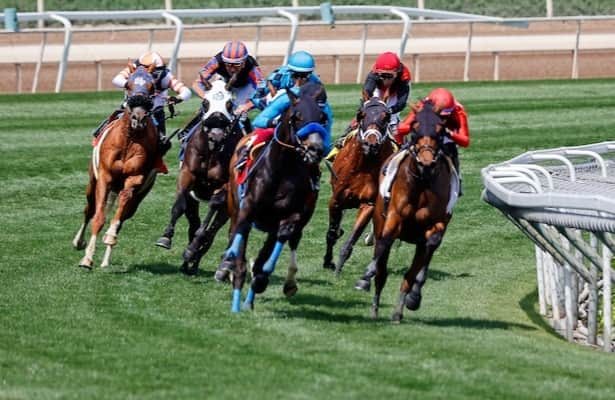
The Current State of UK Horse Racing: A Comprehensive Overview
Horse racing has long been a treasured sport in the UK, woven into the very fabric of British culture. From its historic origins to the modern-day spectacle it represents, horse racing attracts millions of fans, not just in the UK but globally. However, recent events have caused ripple effects throughout the industry, leading some races to be canceled or postponed. One such organization dedicated to ensuring equine welfare is the UK horse racing not on GamStop https://merseysidepolicemounted.uk/, which plays a pivotal role in enhancing safety and awareness surrounding horse events.
Historical Context of Horse Racing in the UK
The roots of horse racing in the UK trace back to the early Middle Ages when horses were bred for speed and agility. Initially, it was a pastime for nobility and aristocrats. The first recorded race, held in 1174 at the Royal Palace of Smithfield in London, marked the official birth of organized racing in Britain. Over the centuries, horse racing evolved into a professional sport with high stakes and celebrity racers.
Significance of Horse Racing Today
Today, the UK horse racing industry generates substantial revenue, supporting thousands of jobs and contributing significantly to the economy. Major events like The Grand National and The Epsom Derby draw huge crowds and generate millions in bets. Horse racing is not just a sport; it’s an industry that impacts agriculture, tourism, and community engagement.
Recent Challenges Facing Horse Racing
In recent years, horse racing in the UK has faced numerous challenges. The most immediate impact has been from the COVID-19 pandemic, which forced the cancellation of numerous events and led to strict regulations surrounding gatherings. With racetracks closed and fans barred from attending, the sport saw a sharp decline in attendance and betting revenue.
Moreover, the welfare of the horses has come under increasing scrutiny. Carousel scandals involving doping and mistreatment of horses have raised concerns about the integrity of the sport. Organizations and authorities are taking steps to ensure stricter regulations and better enforcement to uphold the welfare of these animals.
The Role of Technology in Modern Racing
Technology has also begun to play a significant role in horse racing, from betting to tracking horse health. Innovations such as GPS and heart rate monitors allow trainers to better understand their animals’ physical strains and adjust their training regimes accordingly. This not only optimizes performance but also enhances overall horse welfare.
The Future of UK Horse Racing
The future of UK horse racing hinges on its ability to adapt to changing societal norms and expectations. Engaging a younger audience through digital platforms and enhancing the spectator experience are crucial steps for the industry’s sustainability. Furthermore, focusing on equine welfare and sustainability practices will be essential to preserving the public’s trust and interest in the sport.
Event Highlights: Upcoming Races
Despite the challenges, racing events continue to draw attention. Races like The Cheltenham Festival, Royal Ascot, and Goodwood Festival remain anticipated highlights of the racing calendar. These events not only showcase the best horses and jockeys but also provide opportunities for communities to come together and celebrate the sport.
Conclusion
The landscape of horse racing in the UK is currently in a state of flux. While the challenges posed by recent events have tested the industry, they also present opportunities for growth and evolution. By prioritizing horse welfare, leveraging technology, and engaging new audiences, the UK horse racing scene can continue to thrive and evolve for future generations.

As we navigate these changing times, it is clear that horse racing will always have a special place in the hearts of many. The dedication and passion surrounding this sport ensure that it remains not only a competition of speed and skill but also a celebration of tradition and community.
Najnowsze komentarze