
Dispelling common myths about gambling What you need to know
Understanding Gambling and its Popularity
Gambling has fascinated humanity for centuries, evolving from simple games of chance to complex systems of chance and strategy found in casinos worldwide. Many people engage in gambling as a source of entertainment, while others may view it as a potential source of income. It is essential to understand why gambling attracts so many participants, as it helps clarify several myths surrounding it. The thrill of risk and the allure of winning big play significant roles in its popularity. For more information, visit https://gransino.co.
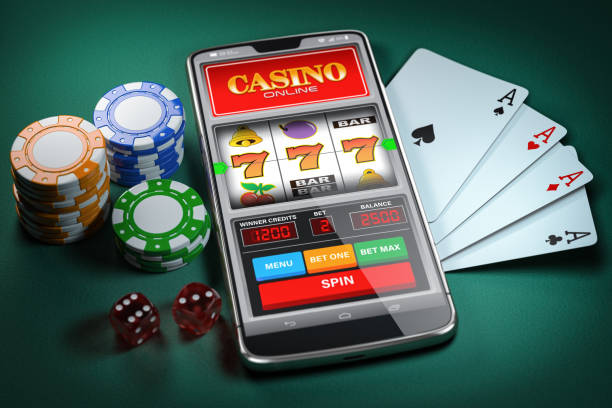
Despite its widespread appeal, gambling often comes with a cloud of misconceptions. These myths can create misconceptions about its nature, its effects on individuals, and the realities of winning or losing. The glamor often associated with casinos in popular media contributes to the skewed perception that gambling is a fast track to wealth. However, the reality is far more nuanced and complex.
To better grasp gambling’s role in society, it’s crucial to analyze its historical context and its current implications. As gambling has progressed, so too have the regulations and social attitudes surrounding it. Understanding the cultural significance and the evolution of gambling can help dispel common myths and foster a more informed perspective.
Myth: Gambling is a Guaranteed Way to Make Money
One of the most pervasive myths about gambling is the belief that it can provide a steady income. Many newcomers are often enticed by success stories of big winners, which can create a false impression that consistent profits are achievable. In reality, gambling is inherently risky, with outcomes based on chance rather than skill. For most participants, the odds are not in their favor, meaning that long-term winning is unlikely.
The perception of gambling as a way to generate income may lead individuals to gamble irresponsibly. Understanding that the vast majority of gamblers lose money over time can provide a sobering reality check. Gambling should primarily be viewed as entertainment rather than a reliable source of income, and individuals should approach it with a clear understanding of the potential for loss.
Moreover, numerous studies have shown the psychological impacts of gambling. People often chase losses, believing that they can recover their funds with just one more bet. This cycle can lead to problematic gambling behaviors, reinforcing the importance of treating gambling as a leisure activity rather than a financial strategy.
Myth: Casinos Are Rigged Against Players
Another common myth is the belief that casinos are inherently rigged to ensure players always lose. While it’s true that casinos employ a house edge in their games, this does not mean players are set up to fail. The house edge is built into games to ensure the establishment’s long-term profitability, but it does not imply that every individual game is unfair or manipulated.
Understanding the house edge is crucial for players. Each game in a casino has a specific probability of winning and losing, often dictated by rules and odds. Players who educate themselves on these games can enhance their chances of making informed decisions, ultimately leading to a more enjoyable gambling experience.
Casinos are also closely monitored by regulatory bodies to ensure fair play. Many jurisdictions require that games undergo regular testing to confirm that they function correctly and provide fair odds. This oversight helps to dispel the myth that players have no chance of winning, emphasizing the importance of playing responsibly and knowledgeably.
Myth: All Gamblers Are Addicts
One of the most damaging misconceptions about gambling is the stereotype that all gamblers are addicted or have a problem. While gambling addiction is a serious issue affecting many individuals, the majority of people who gamble do so recreationally and responsibly. This myth can stigmatize casual gamblers and prevent them from enjoying a pastime that many engage in without negative consequences.
It is essential to distinguish between casual gambling and gambling addiction. Responsible gamblers have the self-awareness to set limits, both in terms of time and money spent. They recognize when the activity becomes less enjoyable and more about desperation. Understanding the difference between these two behaviors can foster a healthier dialogue around gambling.
Educational initiatives and support systems are crucial in addressing gambling addiction while promoting responsible gambling. Many organizations provide resources for individuals who may be struggling, emphasizing that awareness and education can aid in preventing gambling-related issues. By dispelling the myth that all gamblers are addicts, we can create a more inclusive and informed community.
Myth: Gambling Is Only for the Wealthy
A common belief is that gambling is an activity reserved for the wealthy. This myth often stems from the portrayal of gambling in films and television, where high-stakes games are synonymous with lavish lifestyles. However, gambling is accessible to individuals from all socioeconomic backgrounds, with various options available to suit differing budgets.
Many casinos and online platforms offer a range of games with varying betting limits. This inclusivity allows individuals with different financial capacities to engage in gambling if they choose. In addition, the rise of online gambling has made it easier for people to participate in games without the need to travel to a physical location.
Promoting the idea that gambling is solely for the wealthy can discourage many from exploring it as a form of entertainment. Understanding the various entry points into the gambling world enables individuals to engage with it in a way that aligns with their financial comfort levels. This broader perspective helps to combat stereotypes and allows for a more diverse gambling community.

Conclusion: Knowledge is Key in Gambling
Dispelling myths about gambling is crucial for creating a healthy understanding of the activity. By challenging misconceptions and emphasizing education, we can promote responsible gambling practices. Knowledge equips individuals to make informed choices, enhancing their enjoyment of this popular pastime without falling prey to harmful beliefs.
Resources and educational materials can help demystify the world of gambling. Whether you are a casual player or someone interested in learning more, staying informed is key. Remember, gambling should be approached as a form of entertainment, and understanding its complexities will allow for a more rewarding experience.
Najnowsze komentarze