
Understanding Sites That Are Not On
When navigating the vast digital landscape, it’s essential to understand what it means for a website to be „not on.” This term can refer to several different contexts, including websites that are not accessible in particular regions, platforms that do not comply with certain regulations, or those that simply do not have a presence on specific listing services. One common area of concern involves which sites are not on GamStop casinos that are not on GamStop, which are alternatives for players seeking options outside of self-exclusion programs. This article delves into various categories of websites that may not be available and the implications of their unavailability.
1. Websites Blocked by Geographic Restrictions
One of the most prevalent reasons a site may be „not on” is due to geographic restrictions. Various platforms may choose to limit access based on the user’s location, typically influenced by legal regulations. For instance, streaming services like Netflix or Hulu offer different content libraries based on country. Users in some regions may find that they cannot access specific sites or content. To navigate these limitations, many people employ VPN services to mask their location, allowing them access to a broader range of digital content.
2. Non-Compliant Online Casinos
The online gambling sector is heavily regulated, with operators generally required to obtain licenses in specific jurisdictions. A notable example involves casinos that are mandated to adhere to GamStop, a self-exclusion program in the UK. However, there are also many online casinos that operate outside of these requirements, often labeled as casinos that are not on GamStop. These establishments can present varied gaming experiences and often cater to players looking for different terms and conditions than those enforced by GamStop.
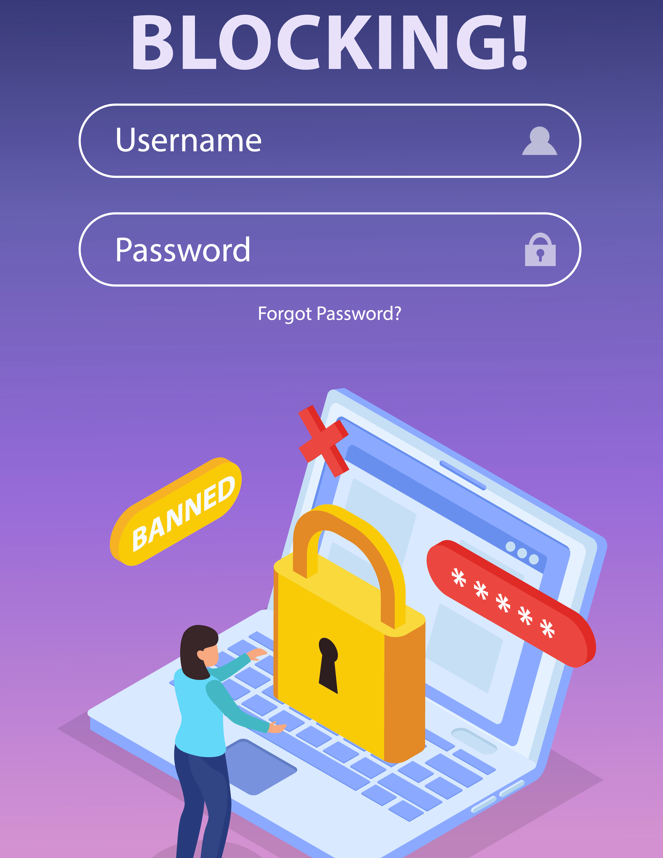
3. Silenced or Banned Sites
Some websites may be outright banned or silenced for various reasons, including the dissemination of misinformation, copyright infringement, or harmful content. In such cases, regulatory bodies or governments might blacklist the sites, rendering them inaccessible from certain locations. The impact on freedom of speech and expression can be significant, leading to debates about censorship and the ethical implications of banning online content.
4. Niche Marketplaces and Forums
In the world of e-commerce, there are countless niche marketplaces and forums that might not be widely recognized or listed on major platforms. These sites often cater to very specific interests or communities, making them „not on” in the mainstream sense. While they can offer unique products and discussions, finding these platforms often requires dedicated research or community recommendations.
5. Temporary or Seasonal Sites
Some websites are created for temporary use or specific seasonal events. For instance, pop-up marketplaces or promotional sites may only be active during peak shopping seasons or for specific campaigns. Once the promotion concludes, these sites may go offline, rendering them „not on” for users trying to access them later. Businesses often utilize these temporary sites for marketing strategies but must inform their customers about their limited availability.
6. Legacy Websites
As technology evolves, many sites become obsolete or are phased out. Legacy websites can refer to platforms that have not been updated in years, often lacking modern features or security protocols. While they may still be accessible, their outdated nature can render them less useful or even potentially harmful to users, necessitating awareness of their status.
7. Dark Web Sites
The dark web contains a vast array of websites that are not indexed by traditional search engines and only accessible through specific software, such as Tor. Many users may perceive these sites as „not on” the mainstream internet due to their hidden nature. While some dark web sites might offer illicit services, others are simply dedicated to privacy-focused discussions and activities.
8. Regionally Restricted Educational Resources
Many educational institutions and platforms restrict access to certain resources based on geographic location. For example, some scholarly journals or online courses may require a local subscription or institutional access, making them unavailable to prospective learners in other regions. This limitation can affect the dissemination of knowledge and leads to disparities in educational opportunities.
9. Accessibility Challenges
Certain websites may not be on due to accessibility challenges. This can manifest as design flaws that hinder users with disabilities, or as complete financial barriers preventing specific demographics from engaging with digital resources. The push for greater online accessibility aims to make all sites reachable to everyone, yet hurdles remain for many platforms.
10. The Role of User-Generated Content
Platforms reliant on user-generated content, such as review sites or personal blogs, may experience the phenomenon of being „not on” due to inactive user participation or regulatory challenges. If a community fails to engage or if moderators no longer actively oversee content, the platform could fall into disuse, rendering it effectively nonexistent for new users.
Conclusion
The digital world is vast, filled with various sites that may not always be accessible or recognized everywhere. Whether due to geographic restrictions, compliance issues, or other factors, understanding these nuances is crucial for navigating the internet effectively. Always approach online experiences with caution, and consider the implications of engaging with websites that might fall outside of commonly accepted parameters.
Najnowsze komentarze